Many owners willing to consider alternative pet diets, studies claim with a high proportion of cat and dog owners now prepared to explore alternative, more sustainable diet options.
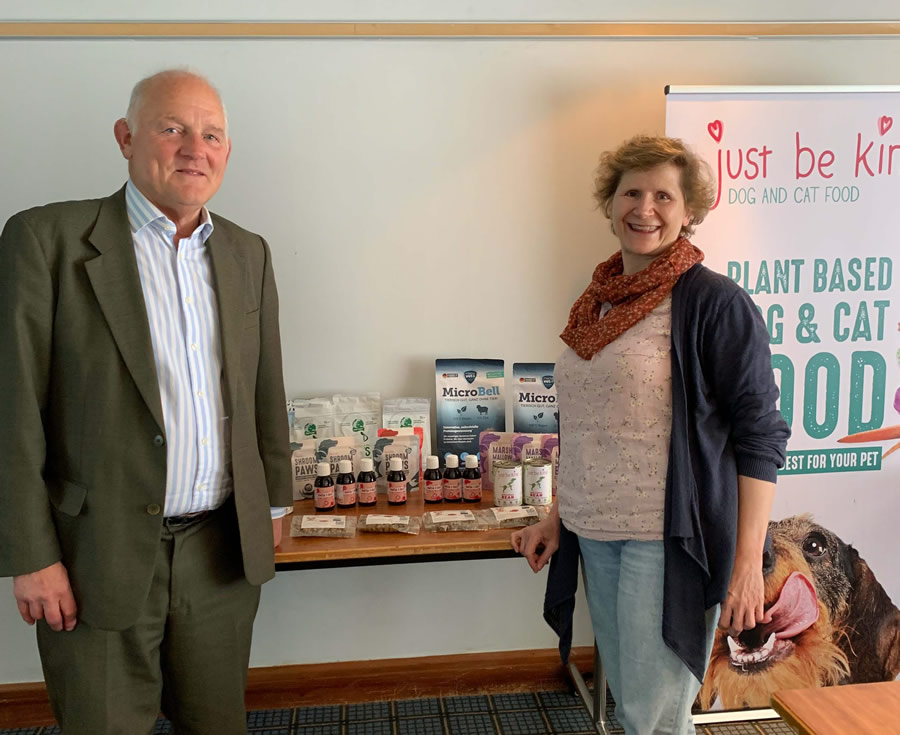
We had many advances in 2025 with plant-based pet food company Just be Kind Dog Food and Hills sponsoring Mike Davies’ Provet Small Animal Nutrition Course (read more here how corporate giant Hills is taught about sustainability from Just be Kind Dog Food!)

Dr Mike Davies Small Animal Veterinary Nutrition Specialist was able to introduce bacterial fermentation protein to vets and veterinary nurses attending his Provet nutrition course which is our future – the use of alternative proteins such as bacterial fermentation to feed dogs and cats!
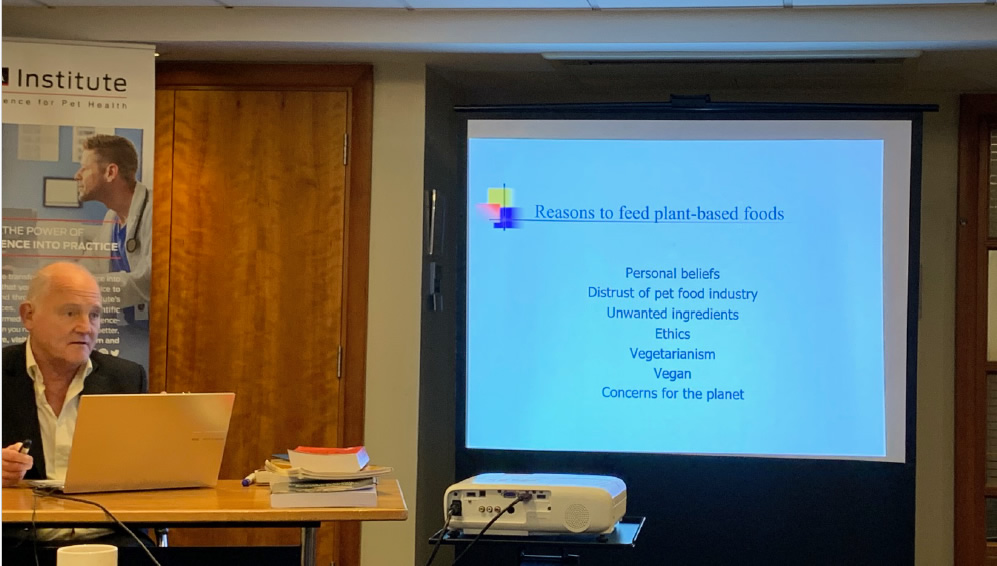
Quoting from the latest Vet Times article of December 2025 –
New analysis has claimed a substantial proportion of cat and dog owners are now prepared to explore alternative, more sustainable diet options for their pets.
Studies published in the journal Animals found that slightly more than half of participating cat owners, and more than 40% of dog owners who currently offer conventional foods would consider switching.
However, a leading industry group UK PetFoods has launched its own sustainability drive amid broader moves to tackle what it regards as “misinformation” around the issue – (UK Petfoods are spreading this ‘misinformation’ around the use of animal byproducts in pet foods as being sustainable when latest studies have clearly shown that as long as there is a financial value on these byproducts, more animals are being produced for pet food!)
More than 1,300 cat owners and 2,600 with dogs took part in the surveys, with overwhelming majorities – 89.4% and 84.2%, respectively – reporting they used conventional feeding programmes.
But the cat paper found 51% of them considered an alternative acceptable, with cultivated proteins (33%) and vegan (18%) diets the most popular options.
Participants
A majority of participants in the dog study did not consider an alternative diet acceptable. But 43% did consider at least one alternative diet acceptable, with cultivated proteins accounting for nearly a quarter (24%) of their choices, with 17% choosing vegetarian and 13% vegan.
Both studies found owners who either reduce their own meat consumption, or avoid it altogether, were significantly more likely to consider alternative diets for their pets.